Two exercises can challenge the legs without looking much alike. In a foam-roller bridge roll-out, the feet move away from the hips while the hamstrings work to control the change. In a Bulgarian split squat, the front leg supports most of the body as the hip and knee bend and straighten. One is done on the floor with a moving roller; the other is a standing lift with a rear foot raised. Together they offer different ways to build strength through the back of the legs and the hips.
The distinction is useful if a programme has become a string of exercises that all feel the same. The roll-out gives the hamstrings a particular challenge as the knees extend. The split squat asks the front leg to control a larger whole-body movement. Neither replaces walking, running or the rest of a strength plan. Their value is in what they add and whether you can perform them without a symptom response that disrupts the next day.
Make the bridge more than a hip lift
Start on your back with the feet resting on a foam roller and the knees bent. Press through the feet and lift the hips into a bridge. Keep the movement comfortable through the back and avoid throwing the ribs upward to make the lift look higher. From that position, let the roller travel away as the knees gradually straighten. Then bring it back under the feet before lowering the hips. A small roll-out is a sensible first attempt.
The outward part is where many people first notice the hamstrings working hard. As the knees open, the muscles on the back of the thigh have to manage the movement while the hips remain lifted. The roller makes the foot position move, which is different from a bridge with the feet fixed on the floor. If the hips collapse immediately or the roller shoots away, shorten the travel. The goal is to guide the roller out and back, not to catch it after it escapes.
Keep the heels in contact and use a pace you can control. There is no need to roll until the legs are completely straight, especially if you are new to hamstring work. A partial range may already be demanding. If the lower back starts arching or the calves cramp, reset the bridge and reduce the distance. You might first practise an ordinary bridge on stable ground, then try the roller without a full roll-out. Each version can help you learn a part of the task.
The inward return matters too. Do not let the hips drop and then pull the roller back only with the feet unless that is the easier variation you have deliberately chosen. If you can maintain a modest lift while the roller returns, you are training the full movement. If you cannot, break it into smaller pieces. There is nothing wrong with practising the bridge and the roll separately before combining them. The combined version is useful only when you can tell what each part is doing.
This exercise can create considerable soreness if it is new, even without external weights. Begin with a modest number of controlled efforts and leave room for the rest of the week’s walking, stairs and training. A strong burn in the hamstrings during the first attempt is not a reason to keep going until the movement falls apart. Progress by adding a little travel or an extra repetition after the earlier version feels repeatable and settles well afterwards.
The moving roller is what separates this from an ordinary bridge. With the feet fixed on the floor, you can raise the hips and hold the position without asking the knees to open under that same changing load. As the roller travels away, the hamstrings have to help manage both the hip position and the increasing distance between feet and body. That is why a tiny roll-out can feel harder than several simple bridges. Treat the two versions as different doses, not as interchangeable names for the same exercise.
Watch the way the hips behave near the farthest point you can reach. If they gradually lower but you can still bring the roller in without a jerk, you may simply be near the edge of your current range. If they drop suddenly and the back arches, shorten the next repetition. You could also practise the outward roll only, lower the hips deliberately and reset before the next one. That version changes the work but may help you learn to control the outward phase before asking for a full return.
Let the front leg lead the split squat
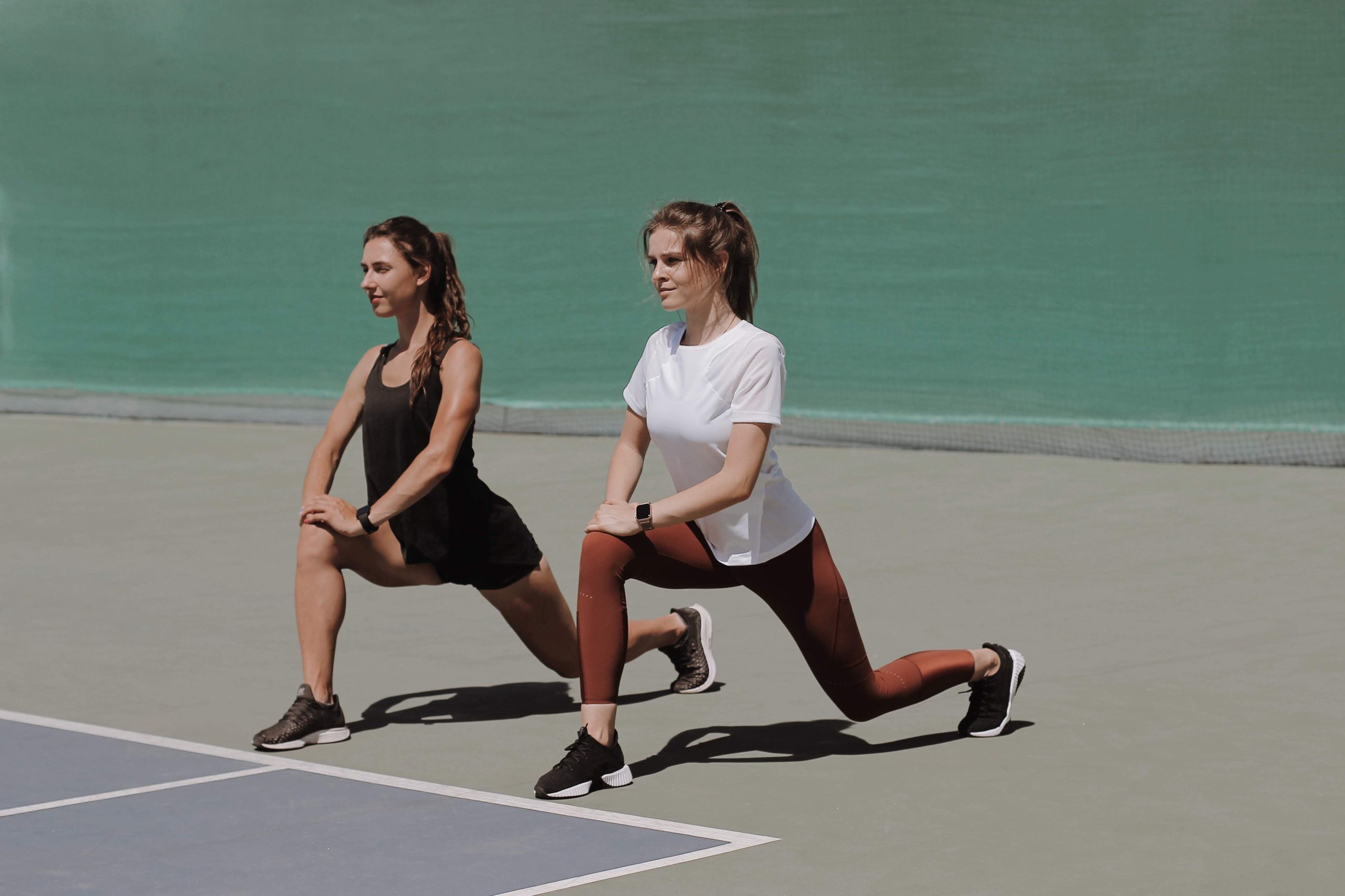
The Bulgarian split squat gives the front leg a standing strength task: lower with the rear foot supported, then stand by pressing through the front foot. The knee and hip both contribute, while balance and trunk position also matter. That is a different demand from guiding a roller with both feet while lying down. Begin with body weight and a low, stable rear support if this movement is new. P4O’s split squat guide covers stance, knee path and loading in detail; there is no need to repeat its full coaching here.
For this pairing, the useful decision is whether the standing exercise adds something the bridge does not. If the goal is to practise producing force through one leg while the body is upright, the split squat has a clear role. If balance dominates before the leg muscles work, use a light hand support or an ordinary split squat with both feet on the floor. A roller bridge will not teach the standing balance task, and a split squat will not reproduce the moving-foot hamstring demand. Keep that difference in mind when deciding whether both belong in one week.
Use them for different jobs in the same week
The roll-out and split squat both involve the back of the legs, but they do not train identical tasks. The bridge emphasises controlling the knee as the feet move away and back. The split squat is a standing movement through the hip and knee of the front leg. Someone preparing for hills or gym work may find both relevant. Someone with a sensitive hamstring may need to begin with a simpler bridge while continuing a tolerable standing leg exercise. The right combination depends on the person and the rest of the plan.
If both are new, do not add a hard set of each to an already demanding leg day. Learn one, then introduce the other with room to notice the response. For example, a few controlled bridge roll-outs can be a separate accessory after more familiar training, while the split squat may be a main lift when balance and attention are fresh. Another person may reverse that order. The point is to keep the session clear enough that you know what changed if the legs feel unusually sore later.
Neither exercise automatically fixes a left-to-right difference. The split squat can make such a difference more visible, but it does not explain its cause. The roller exercise is done with both legs unless you deliberately change it. If one side feels much less confident, note it without forcing identical repetitions or depth immediately. A clinician can help determine whether it matters for the activity you want to return to and what level of work is suitable.
Think beyond the gym floor. Someone who sits through most of a workday and then walks home may tolerate a new leg session differently from someone already running several times a week. Someone with a physical job has another source of load again. The exercises should fit around those demands. A session is working for you when you can repeat it, recover and keep doing the activities that matter, not simply when the muscles felt exhausted on the day.
When to pause and ask for advice
Ordinary muscle effort is expected. A sudden hamstring pain, a front knee that gives way, sharp hip pain or symptoms that worsen each time you train deserve attention. Reduce or stop the exercise and seek assessment rather than adding load to prove you can manage it. If hip pain follows a fall, you cannot bear weight or the joint becomes markedly swollen, seek medical care promptly.
At Principle Four Osteopathy, we can assess movement and help choose strength exercises that suit your current capacity and goals. A simpler bridge, supported split squat or different weekly load may be more useful than forcing the exact versions described here. If you are returning to leg training after pain or a break, book a Melbourne CBD appointment so we can plan a starting point together.