Osteopath for Hip Pain from Squats Melbourne — Treatment Guide for Lifters
Squats are one of the most effective exercises for developing strength in the glutes, quadriceps and posterior chain. They are widely used in strength training, powerlifting, CrossFit and athletic conditioning.
However, many athletes experience hip pain during or after squats, particularly when training volume or load increases.
At Principle Four Osteopathy in Melbourne CBD, we frequently assess and treat gym-goers and athletes experiencing hip pain related to squatting movements.
If you are searching for an osteopath for hip pain from squats in Melbourne, understanding the underlying causes can help you recover and return to training safely.
Book an appointment with our Melbourne CBD osteopaths here:
👉 https://principlefourosteopathy.com.au/book-appointment/
Why Squats Can Cause Hip Pain
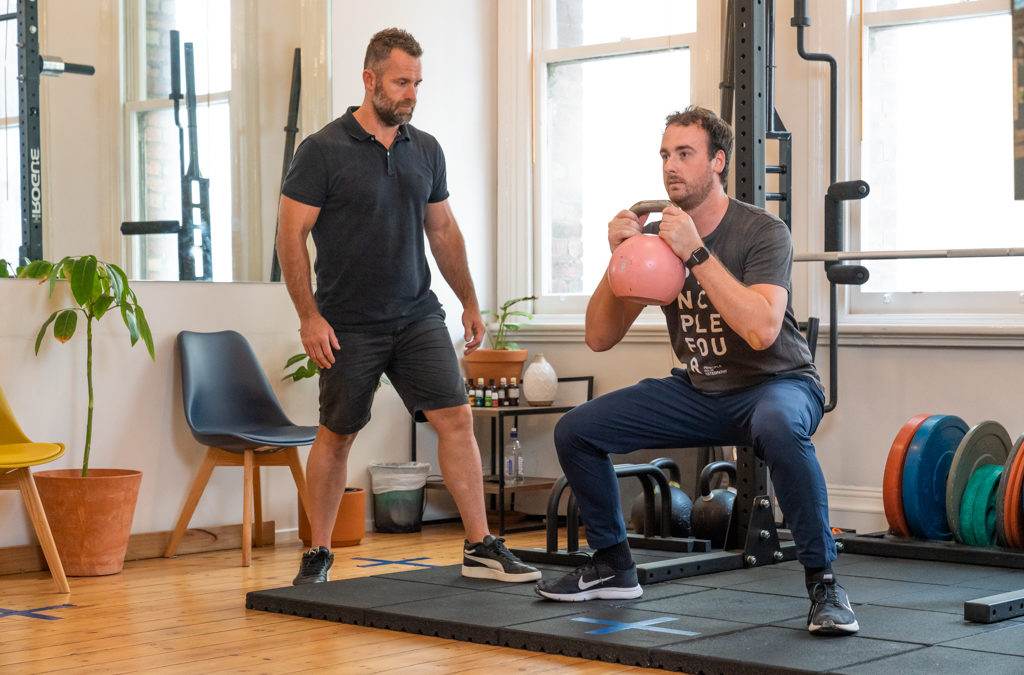
The squat requires coordinated movement between the hips, knees, ankles and spine. When the movement pattern becomes overloaded or restricted, stress can accumulate in the hip joint and surrounding tissues.
Common contributors to squat-related hip pain include:
-
limited hip mobility
-
poor squat mechanics
-
rapid increases in training load
-
high-volume training sessions
-
muscular imbalances around the hip
-
reduced trunk stability
When these factors combine, irritation can develop in the hip joint or surrounding structures.
Many athletes seek treatment from a sports injury osteopath in Melbourne CBD when hip pain begins affecting their training.
Sports injury osteopath Melbourne:
https://principlefourosteopathy.com.au/sports-injury-osteopath-melbourne/
Common Causes of Hip Pain During Squats
Several conditions may contribute to hip pain during squatting movements.
Hip Joint Irritation
Repeated deep squatting can irritate the hip joint, particularly if mobility restrictions alter the movement pattern.
Femoroacetabular Impingement (FAI)
In some cases, structural differences in the hip joint may contribute to pinching sensations during deep hip flexion.
Muscle or Tendon Overload
High training volume may overload muscles around the hip such as the hip flexors, gluteal muscles or adductors.
Limited Ankle or Hip Mobility
When mobility is restricted, the body may compensate by altering squat mechanics.
Symptoms of Squat-Related Hip Pain
Athletes experiencing hip pain from squats may notice:
-
pain in the front or side of the hip during squats
-
discomfort when descending into deep squat positions
-
tightness around the hip after training
-
stiffness during hip flexion movements
-
reduced confidence lifting heavier loads
If symptoms persist for more than one or two weeks, professional assessment may help identify the underlying cause.
Hip pain osteopath Melbourne CBD:
https://principlefourosteopathy.com.au/osteopath-melbourne-cbd/
What Research Says About Hip Pain in Athletes
Research suggests that many hip-related pain conditions respond well to conservative treatment approaches.
Evidence-based management commonly includes:
-
progressive strengthening
-
load management
-
mobility work
-
manual therapy when appropriate
Clinical guidelines generally recommend remaining active and gradually restoring movement capacity rather than avoiding exercise completely.
At Principle Four Osteopathy, our approach reflects current research in musculoskeletal rehabilitation.
Evidence-based osteopathy Melbourne:
https://principlefourosteopathy.com.au/evidence-based-osteopathy-melbourne/
How Osteopathy Can Help Hip Pain from Squats
At Principle Four Osteopathy in Melbourne CBD, treatment focuses on identifying the underlying drivers of hip pain rather than simply treating symptoms.
Management may include:
Comprehensive Assessment
Your osteopath may assess:
-
hip joint mobility
-
squat mechanics
-
trunk stability
-
ankle mobility
-
training load and programming
Understanding these factors helps determine why the pain developed.
Manual Therapy
Hands-on treatment may include:
-
hip joint mobilisation
-
soft tissue techniques
-
mobility work for surrounding muscles
These approaches may help improve movement and reduce irritation.
Progressive Strengthening
Rehabilitation exercises may focus on:
-
glute strength
-
hip stabilisation
-
trunk stability
-
movement control during squats
These exercises help build resilience for returning to heavier training.
Training Modifications
Temporary adjustments to training may include:
-
reducing squat volume
-
modifying squat depth or stance
-
adjusting training intensity
These strategies allow athletes to continue training while protecting the hip.
Why Squat-Related Hip Pain Often Returns
Many athletes rest until symptoms improve and then return immediately to heavy squatting.
Unfortunately, pain may return if:
-
strength deficits remain
-
mobility restrictions persist
-
training loads increase too quickly
Developing hip strength and movement capacity is essential for long-term recovery.
When Should You See an Osteopath?
Consider seeing an osteopath in Melbourne CBD if:
-
hip pain persists for more than two weeks
-
squatting becomes painful
-
symptoms return during training
-
stiffness affects daily activities
-
hip pain limits gym performance
Early assessment can help prevent minor irritation becoming a persistent injury.
Book an appointment here:
👉 https://principlefourosteopathy.com.au/book-appointment/
Why Choose Principle Four Osteopathy
Principle Four Osteopathy provides evidence-based osteopathic care in Melbourne CBD for gym-goers, athletes and professionals.
Our approach focuses on:
-
accurate diagnosis
-
structured rehabilitation
-
progressive strengthening
-
long-term injury prevention
Learn more about our osteopathy services here:
https://principlefourosteopathy.com.au/osteopath-melbourne-cbd/
Conclusion
Hip pain from squats is common among lifters, but most cases respond well to structured rehabilitation and sensible load management.
Understanding the mechanical contributors to hip pain is essential for returning safely to training.
If you are searching for an osteopath for hip pain from squats in Melbourne, Principle Four Osteopathy provides evidence-based care designed to restore function and prevent recurring injury.
Book your appointment online today:
👉 https://principlefourosteopathy.com.au/book-appointment/