
There is a particular kind of thigh discomfort that makes people check their pockets for a vibrating phone that is not there. The skin on the outer thigh buzzes, burns or goes oddly numb. Clothes brush against it and suddenly feel abrasive. Yet a squat may feel strong, the knee works normally, and there may be no dramatic back pain to explain any of it.
One possible explanation is meralgia paraesthetica (also written meralgia paresthetica). The name is a mouthful; the anatomy is simpler. The lateral femoral cutaneous nerve carries sensation from the front and outside of the thigh. When it is irritated, often near its passage beneath or through tissue at the front of the hip, the messages from that patch of skin can become noisy. The nerve is sensory, so it does not power the thigh muscles. That distinction is more useful than memorising the Latin.
It is also a reason not to diagnose yourself from a diagram. The precise area of altered sensation varies between people, and other problems can produce similar symptoms. The useful question is not simply “Is this a pinched nerve?” but “Which nerve, where, and why now?”
A small nerve with a surprisingly large personality
The lateral femoral cutaneous nerve travels from the lower back region through the pelvis and emerges near the front of the hip before supplying the outer thigh. Its route varies from person to person. That anatomical variability helps explain why one person’s symptoms sit high near the hip, while another feels them farther down the thigh. A recent clinical review of meralgia paraesthetica describes this as a predominantly sensory problem: burning, tingling, numbness or pain over the anterolateral thigh, usually on one side.
Unlike the satisfying ache after a hard session of hill repeats, nerve pain can be disproportionate to what you see. The skin may be less sensitive to a light touch in one spot and painfully sensitive a few centimetres away. Standing or walking can aggravate it for some people; others notice it after sitting. Neither pattern proves the diagnosis. Think of the symptom map as a clue, not a postcode that confirms where the trouble lives.
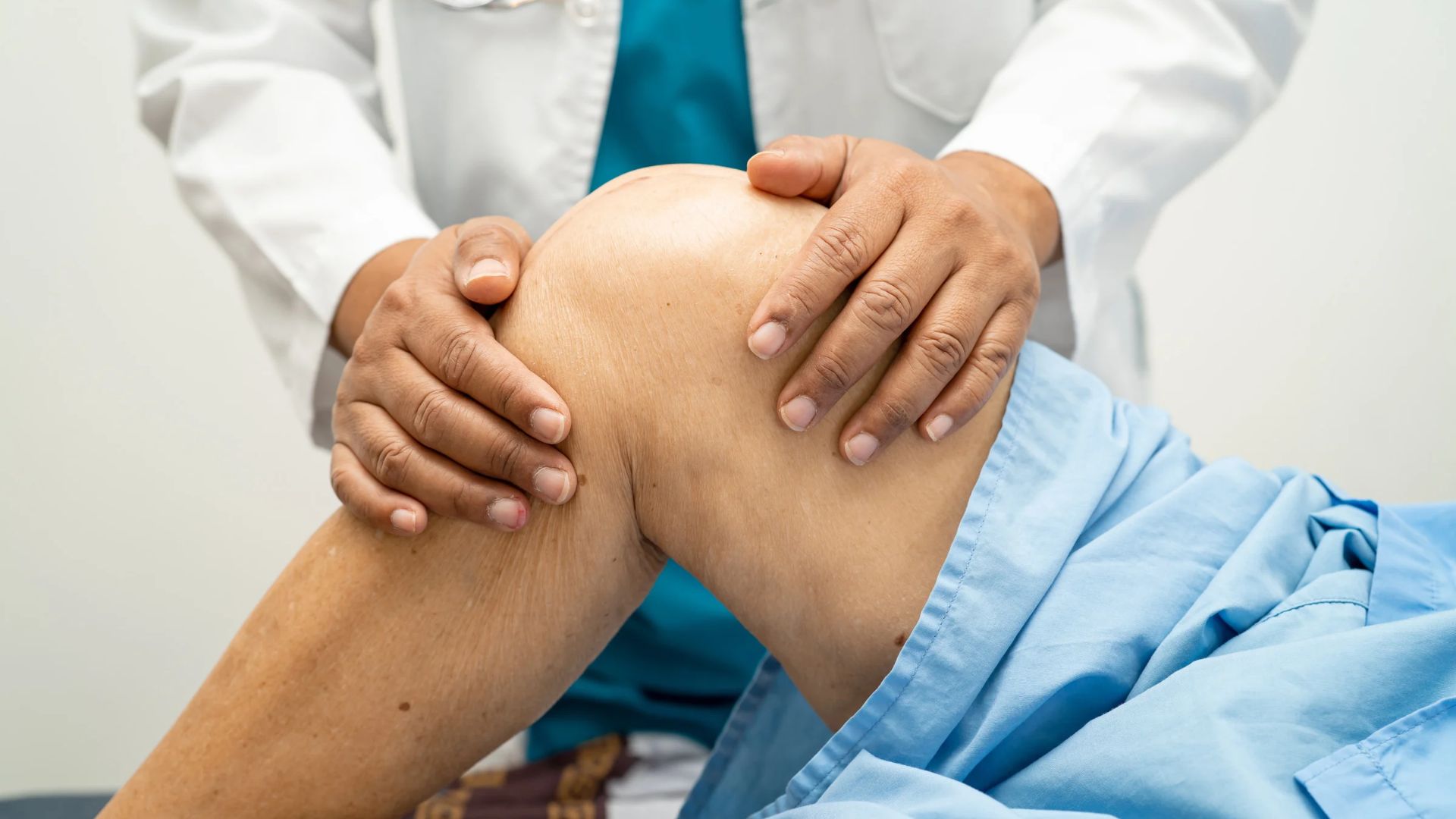
The usual suspects are forms of pressure around the nerve’s route: a tight belt or waistband, equipment worn at the hip, changes in body weight, or pregnancy. Diabetes is another recognised association. Surgery, trauma and less common pelvic causes also deserve consideration when the history points that way. The 2025 review of diagnosis and management is a useful reminder that the evidence is uneven and that a familiar risk factor does not establish causation in an individual person.
The word “pinched” is convenient but slightly misleading. It suggests that a single hard object is trapping the nerve like a doorstop. In many cases, irritation is better understood as a nerve that has become sensitive around a narrow anatomical passage, perhaps with repeated pressure or tension added to the mix. You cannot feel that mechanism directly through the skin. What you can notice is whether reducing a plausible source of pressure changes the symptoms over time.
For a Melbourne reader, the everyday experiment might be very ordinary. Does the patch flare after a commute with a loaded waist strap, a long shift wearing a tool belt, or a run in a tight waistband? Does it change when the same activity is done in looser clothing? Those observations are worth bringing to an appointment. They are more informative than deciding that your hip flexors must be “too tight” because an online graphic said so.
The diagnostic plot twist: thigh symptoms do not always start in the thigh
Meralgia paraesthetica is often recognisable, but it has impersonators. A lumbar nerve root problem may bring back pain, symptoms that travel beyond the characteristic outer-thigh patch, altered reflexes or muscle weakness. A femoral nerve problem can affect the front of the thigh and may change knee extension strength. Hip and pelvic conditions can also refer pain into the region. Clinical guidance on the lateral femoral cutaneous nerve notes that motor loss, altered reflexes or widespread neurological findings are not typical of isolated meralgia paraesthetica.
That is why a worthwhile assessment does more than poke the sore spot. It asks when symptoms began, whether there was an injury or operation, how the patch has changed, what brings it on, and whether there is back pain or weakness. It checks the distribution of sensation, leg strength and reflexes, and considers the back, hip and other relevant structures. If the picture is atypical or symptoms persist, a GP or specialist may consider nerve studies, ultrasound or other investigations. These tests can help in selected cases, but none is a universal answer; even nerve conduction testing has technical limitations for this small nerve.
New or progressive leg weakness, changes in bowel or bladder control, numbness around the groin, fever, significant unexplained illness or severe symptoms after trauma call for prompt medical assessment. Those features do not fit the simple story of one irritated sensory nerve. Likewise, unexplained symptoms that keep spreading deserve a fresh look rather than a longer list of stretches.
What to try before declaring war on your wardrobe
If the diagnosis is reasonably secure and the symptoms are not alarming, the first moves are usually modest. Reduce obvious pressure over the front of the hip: loosen a waistband, adjust the placement of a belt or pack, or change the equipment that repeatedly presses the area. Keep moving within a tolerable range instead of abandoning every walk or gym session. If you are pregnant, discuss persistent symptoms with your maternity care team; if diabetes is relevant, your usual medical care remains part of the picture. These steps target plausible contributors, but they are not a guaranteed cure.
Exercise has a role when it addresses something real: strength, hip movement, walking tolerance, or a return to activity that has become intimidating. There is no well-validated “meralgia stretch” that frees every nerve. In fact, aggressively tugging at a sensitive area can simply make a nerve angrier. A sensible plan tests a change, watches the response over days, and keeps the parts of training that are still comfortable. It also avoids confusing relief from a hands-on session with proof that a particular tissue was trapped and then permanently released.
That last point matters because the treatment literature is thinner than confident websites suggest. The 2023 evidence review found few high-quality studies and widely varying estimates of improvement with injections and surgery. Such figures come from different patients, definitions and follow-up periods; they cannot be converted into a personal recovery forecast. In practice, many people improve with conservative measures, particularly when a clear source of compression can be reduced. Others do not, and that is not a failure of effort or footwear.
The timing matters as much as the tactic. A change that feels better for an hour but leaves the patch more irritable every evening may need rethinking. Likewise, a numb area can remain altered after the burning settles; sensation and pain do not always recover at the same speed. Keep track of the size of the patch, the intensity of the irritation and whether daily activities are getting easier. That record is more helpful than repeatedly checking the skin every few minutes, which can make a harmless sensation impossible to ignore.
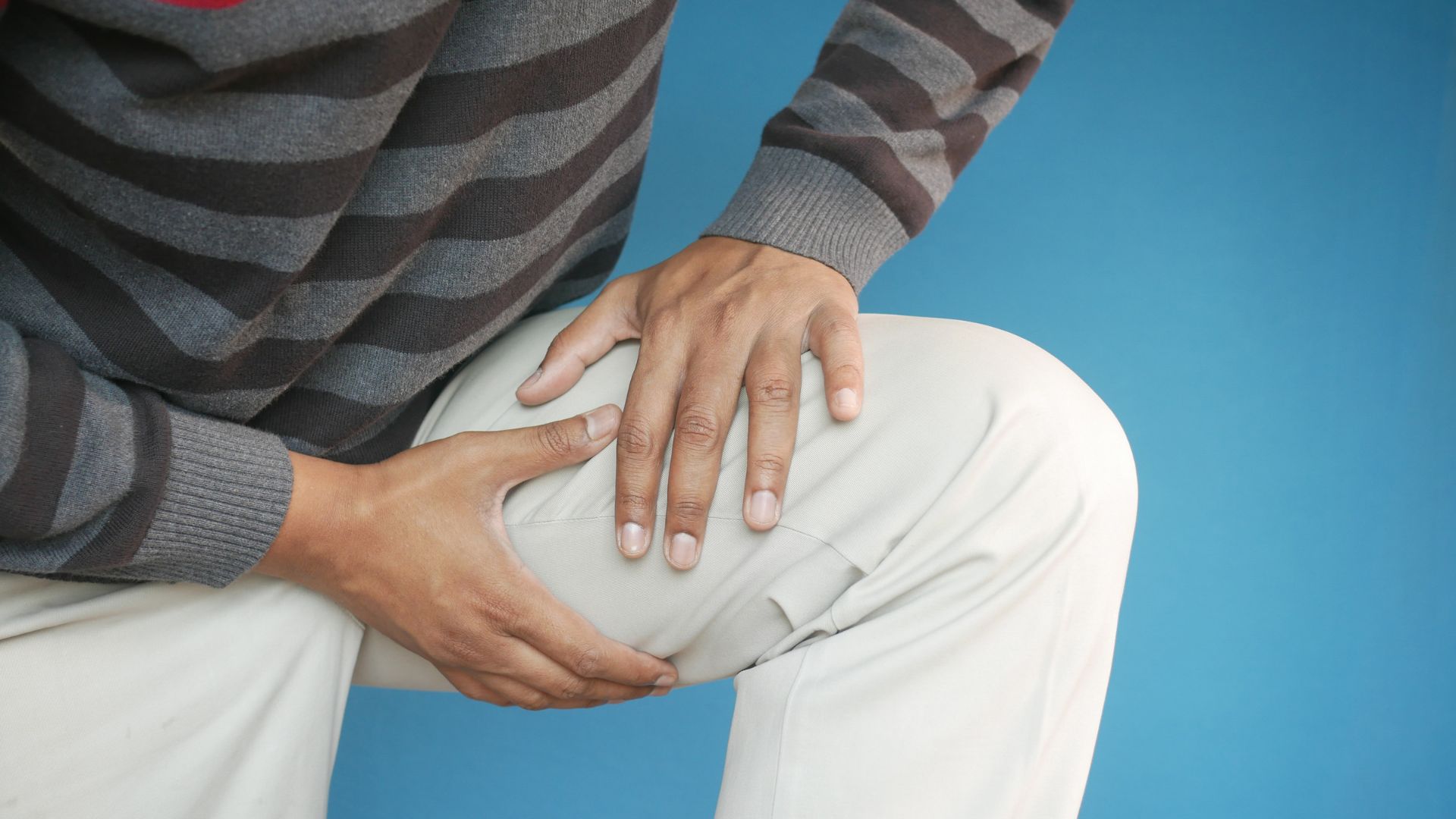
For persistent or severe symptoms, a GP or pain specialist may discuss a medication for neuropathic pain or an ultrasound-guided lateral femoral cutaneous nerve injection. In a small 2023 randomised trial, local anaesthetic injections with and without corticosteroid both improved symptoms over four weeks; the extra steroid did not show a statistically significant advantage. That is useful nuance, not a reason to request an injection immediately. A nerve block may also help clarify a difficult diagnosis, while recurrent symptoms may require a different conversation. Surgery is reserved for selected, stubborn cases after proper assessment.
Where osteopathy fits, and where it should step aside
At Principle Four Osteopathy, the helpful contribution is to assess the pattern, examine how the back, hip and leg are functioning, and work through possible mechanical irritants with you. That may include movement advice, a graded exercise plan or hands-on care if it helps you move more comfortably. It should also include knowing when a GP, neurologist or other clinician needs to take the lead. The aim is to make the next decision clearer, not to promise that one manoeuvre can unpinch a nerve whose exact course varies between bodies.
A practical Melbourne CBD example: suppose the burning appears during the walk from the station and settles on days when you wear a different belt. That is useful information. A plan might begin with changing that pressure, keeping up comfortable walking, and reviewing whether the symptoms are actually shrinking. If the patch grows, sleep is disrupted, or strength changes, the plan changes too. An appointment is valuable when it turns a strange sensation into a careful working diagnosis and a testable course of action.
Most importantly, let the symptom itself be specific. “My thigh feels weird” is understandable, but noting exactly where it is numb, what fabric feels like against it, what activity provokes it and whether the leg is truly weak helps a clinician distinguish a local sensory nerve from a different problem. The condition has a complicated name. The conversation about it need not be.