
What to Expect at Your First Osteopathy Appointment
Principle Four Osteopathy – Melbourne CBD
If you’ve never seen an osteopath before, it’s completely normal to have questions. At Principle Four Osteopathy, we believe that understanding what to expect from your first consultation helps you feel comfortable, informed, and confident in your care.
This page explains exactly what happens during your first osteopathy appointment, how we approach assessment and treatment, and how we work with you to develop a clear, considered plan moving forward.
Do I Need a Referral to See an Osteopath?
No referral is required to see an osteopath in Australia. You can book directly with Principle Four Osteopathy.
A referral is only required if you are:
• Claiming Medicare rebates under a Chronic Disease Management (CDM) plan
• Attending under TAC, WorkCover, DVA, or ComCare, where documentation is required
If you’re unsure, our reception team can help clarify this before your appointment.
Before Your Appointment
What to Bring
We recommend bringing:
• Any relevant imaging reports (X-ray, MRI, ultrasound)
• Referral letters (if applicable)
• A list of current medications
• Comfortable clothing that allows movement
You don’t need to prepare extensively — just come as you are.
How Long Is the First Osteopathy Consultation?
Your initial osteopathy consultation is longer than a standard follow-up appointment. This allows adequate time for:
• A detailed health history
• A thorough physical assessment
• Hands-on treatment (where appropriate)
• Clear explanation of findings and next steps
We don’t rush initial appointments. Understanding the why behind your pain or dysfunction is essential.
Step 1: Your Case History
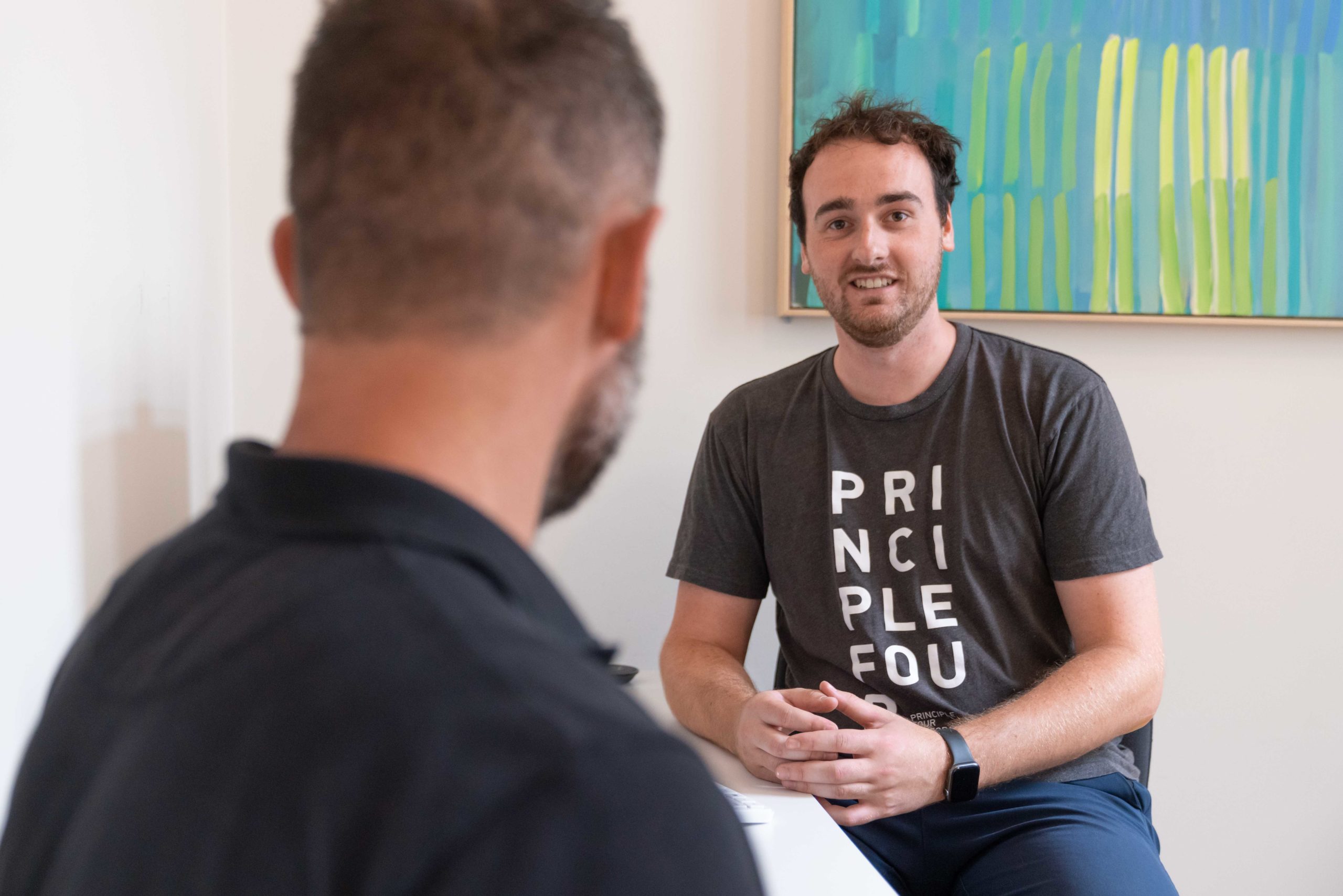
Your osteopath will begin by asking questions about:
• Your current symptoms (pain, stiffness, weakness, restriction)
• How and when the issue started
• What makes it better or worse
• Previous injuries, surgeries, or medical conditions
• Work, sport, lifestyle, and activity demands
This information helps us understand patterns, not just isolated symptoms.
Step 2: Physical Assessment
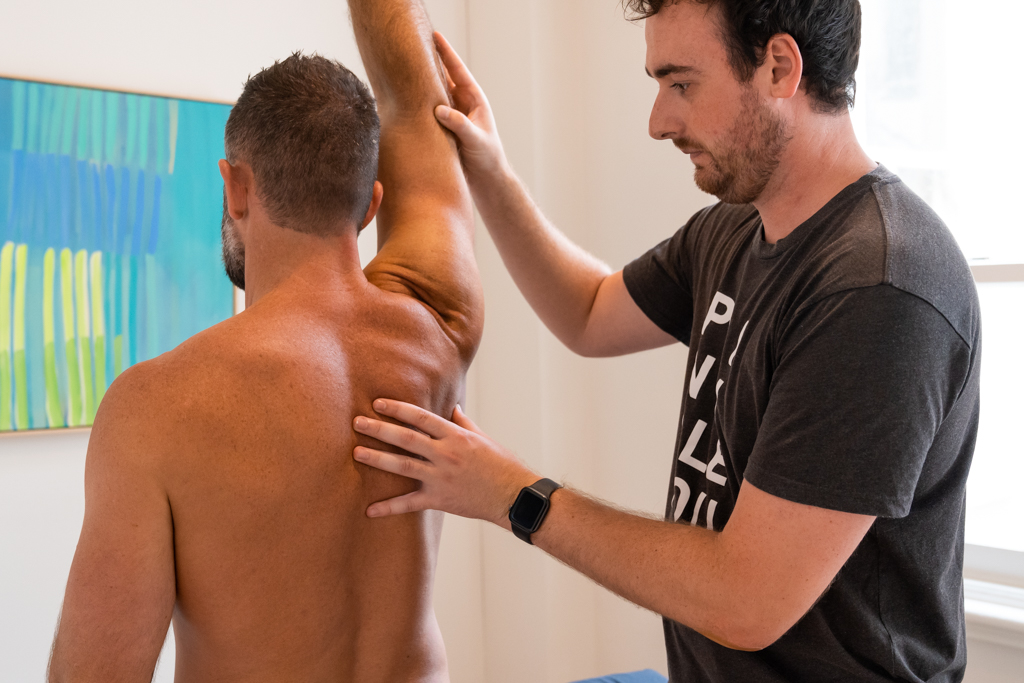
Your assessment may include:
• Observation of posture and movement
• Joint mobility testing
• Muscle strength and flexibility testing
• Neurological screening (if indicated)
• Functional movement assessment relevant to your goals
Assessment is guided by clinical reasoning — not a preset checklist. You’ll be told what is being tested and why.
Will I Need to Undress?
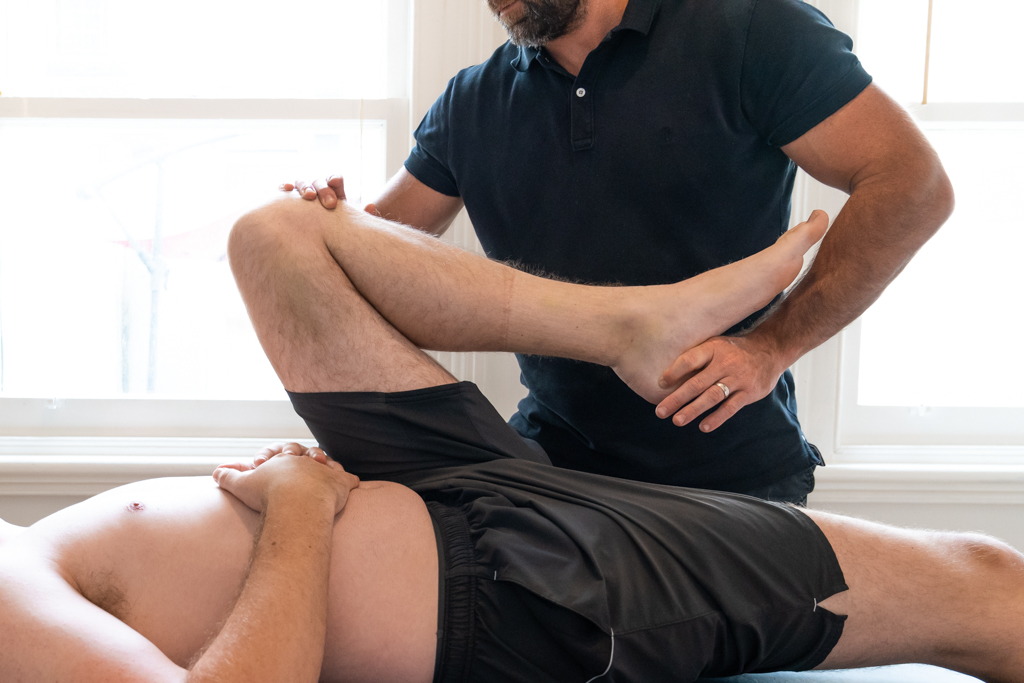
Only if it helps the assessment or treatment. If clothing needs to be adjusted:
• You’ll be given privacy
• Professional draping is always used
• You can decline any part of the assessment
Your comfort and consent are always prioritised.
Step 3: Diagnosis and Explanation
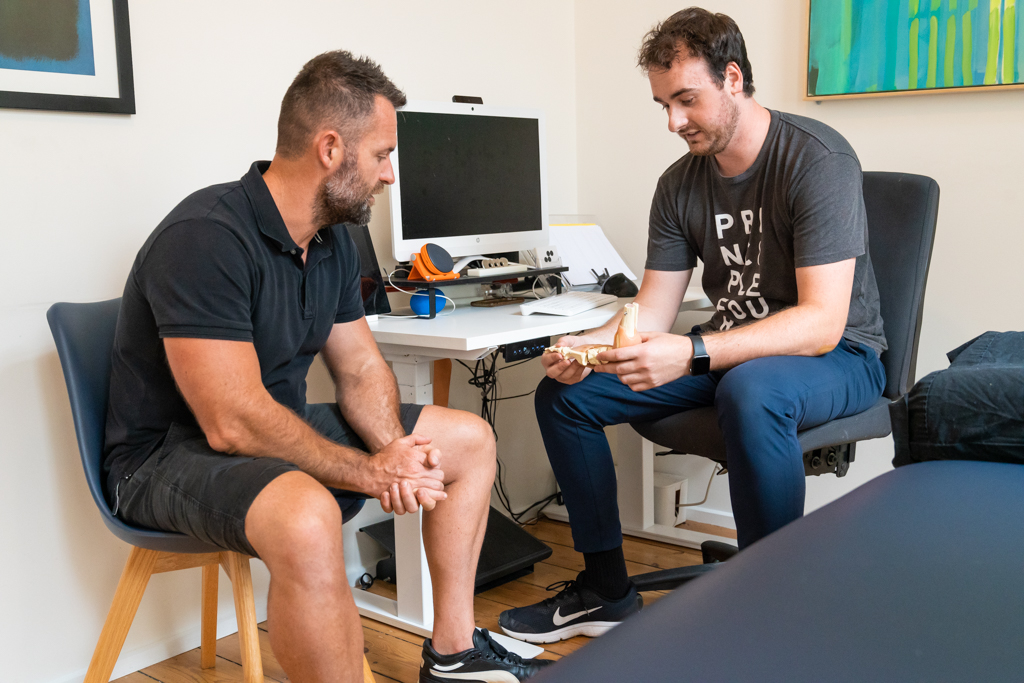
Once the assessment is complete, your osteopath will explain:
• What we believe is contributing to your symptoms
• How this relates to your history and movement findings
• What can realistically be improved
We aim to provide clear, understandable explanations rather than medical jargon.
Step 4: Treatment (If Appropriate)
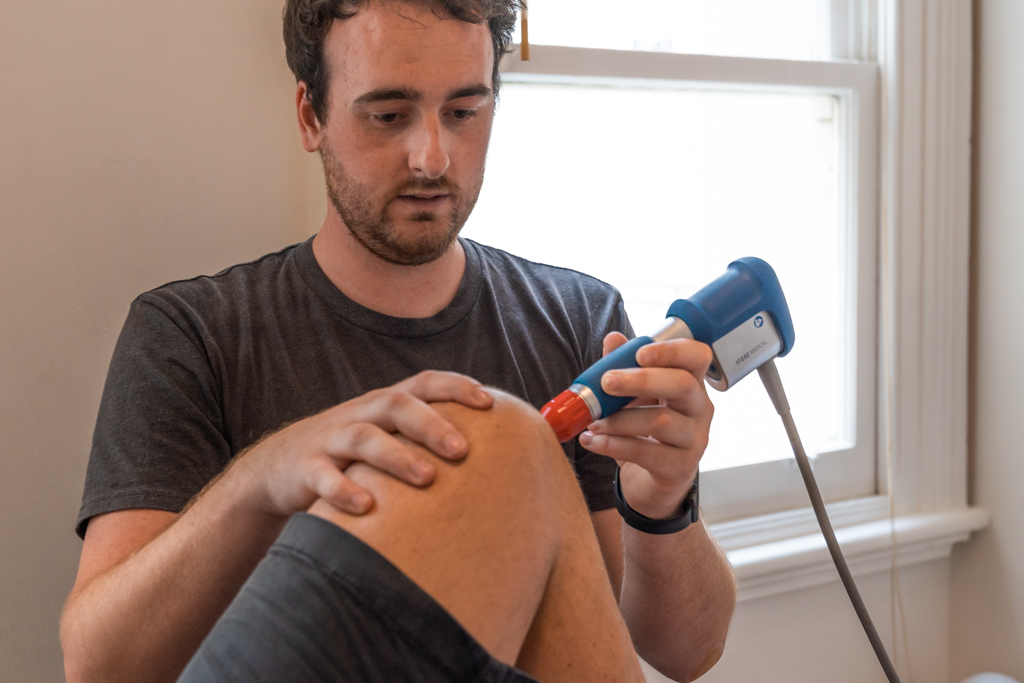
Treatment during the first appointment depends on your presentation, clinical findings, and comfort level.
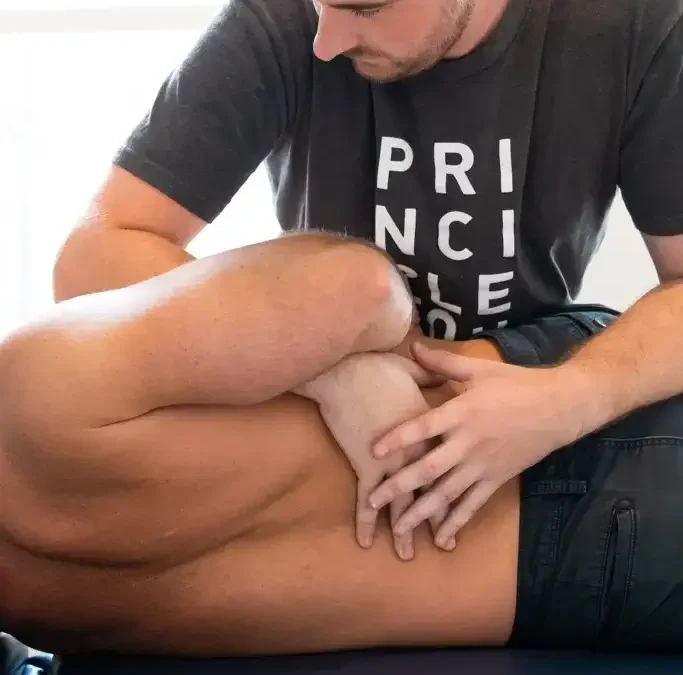
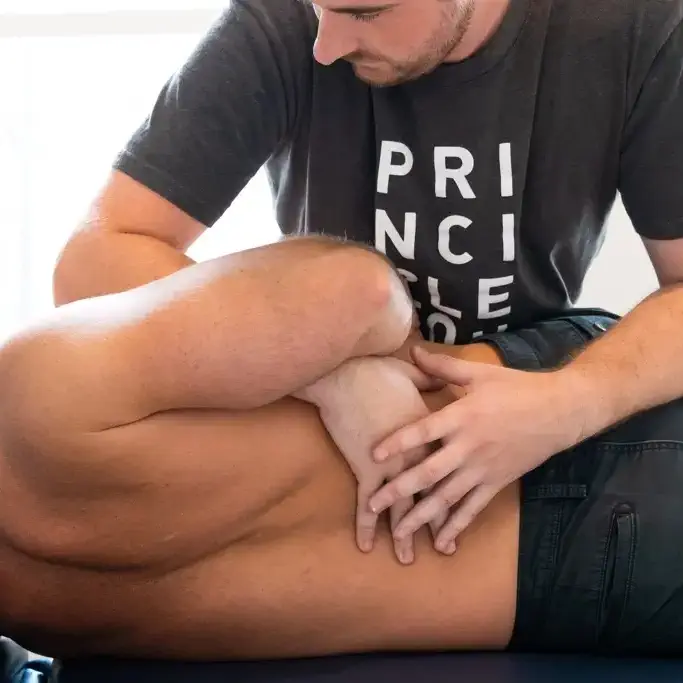
Osteopathic treatment may include:
• Gentle joint mobilisation
• Soft tissue techniques
• Movement-based techniques
• Advice on activity modification
Treatment is always individualised. There is no “one-size-fits-all” approach.
Is Osteopathic Treatment Painful?
Most people find osteopathic treatment comfortable. Some techniques may feel unfamiliar, and mild soreness can occur afterwards (similar to post-exercise soreness), but treatment should not be aggressive or forceful.
Your feedback is encouraged throughout the session.
Step 5: What Happens After the First Appointment?
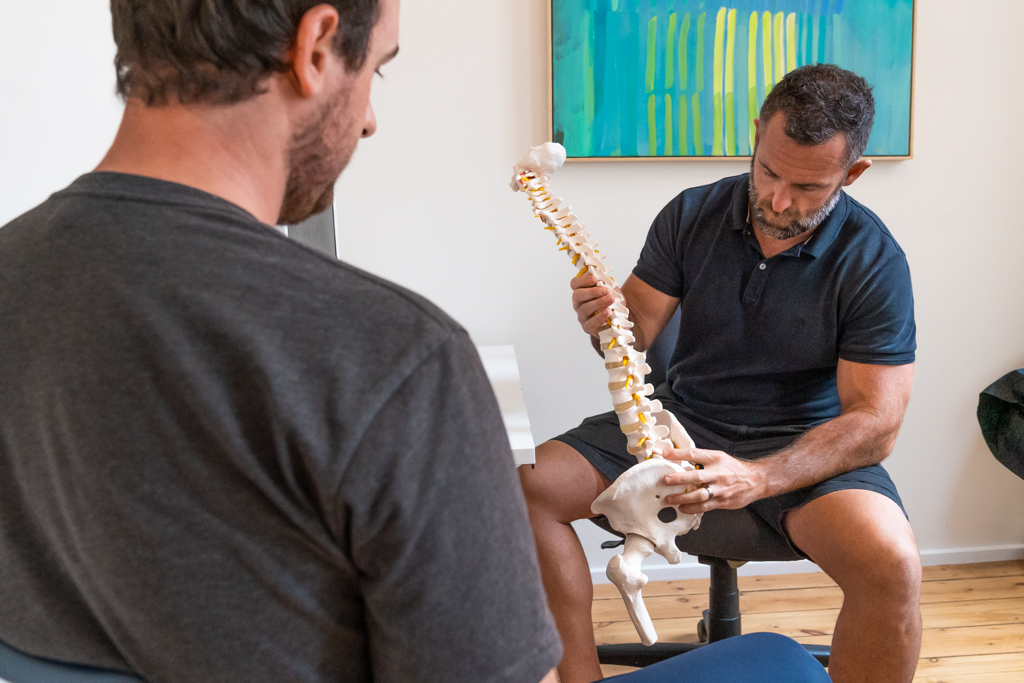
Before you leave, your osteopath will discuss:
• What to expect over the next 24–72 hours
• Whether exercises or activity modifications are recommended
• Whether further appointments may be helpful
• A realistic treatment plan if ongoing care is indicated
There is no pressure to commit to ongoing treatment. Decisions are made collaboratively.
How Many Appointments Will I Need?
This varies depending on:
• The nature of your condition
• How long it has been present
• Your goals (pain relief, return to sport, performance, prevention)
Some people need only a small number of visits, while others benefit from a structured rehabilitation approach. Progress is reviewed regularly.
Will I Be Given Exercises?
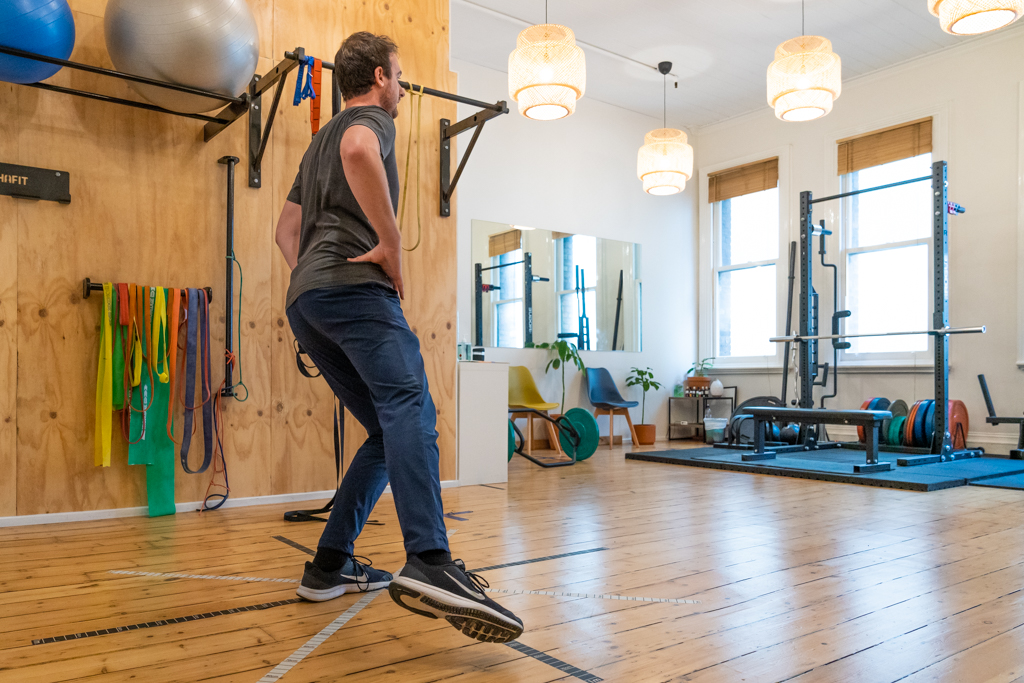
Often, yes. Exercises may be prescribed to:
• Support recovery
• Improve strength, mobility, or control
• Reduce the risk of recurrence
Exercises are tailored to your ability, goals, and lifestyle — not generic programs.
What If Osteopathy Isn’t the Right Fit?
If we believe imaging, another health professional, or a different approach is more appropriate, we’ll discuss this openly and help guide you toward the next best step.
Fees, Rebates, and Claiming
Consultation fees vary depending on appointment type and practitioner. Private health rebates depend on your fund and level of extras cover. HICAPS is available for most major funds.
We also treat clients under TAC, WorkCover, DVA, and ComCare, where appropriate documentation is required and gap payments may apply.
Why Choose Principle Four Osteopathy?
At Principle Four Osteopathy, our approach is built on:
• Thorough assessment
• Clear communication
• Evidence-informed decision making
• Practical, realistic care
We focus on understanding why pain or dysfunction is occurring and helping clients make informed decisions about their health.
Helpful Links
Before booking, you may find these pages useful:
• Our Osteopaths – meet the practitioners at Principle Four
• Book an Appointment – book online at a time that suits you
Frequently Asked Questions – First Osteopathy Appointment
Do I need a referral?
No referral is required unless you are claiming Medicare, TAC, WorkCover, DVA, or ComCare benefits.
What should I wear?
Comfortable clothing that allows movement. Your privacy is always respected.
Will I need to undress?
Only if it assists assessment or treatment. Professional draping and consent are always maintained.
Is osteopathic treatment painful?
Most people find treatment comfortable. Mild soreness may occur afterwards, but treatment should not be forceful.
How long does the first appointment take?
Initial appointments are longer than follow-ups to allow for assessment, explanation, and treatment.
How many sessions will I need?
This depends on your condition, history, and goals. Some people need only a few visits, others benefit from a structured plan.
Will I be given exercises?
Often, yes. Exercises are provided when they are likely to improve outcomes or reduce recurrence.
Can you help with work-related or compensation injuries?
Yes. We regularly treat clients under TAC, WorkCover, DVA, and ComCare arrangements.
What if I’m not sure which appointment to book?
If in doubt, book an initial osteopathy consultation, or contact the clinic and we can help guide you.
Can I choose my osteopath?
Yes. You can select a practitioner when booking online or ask for a recommendation.
What if osteopathy isn’t right for me?
If another approach is more appropriate, we’ll discuss this openly and help guide you toward the next best step.
Book Your First Osteopathy Appointment
If you’re ready to get started, you can:
• Book online via our website
• Contact the clinic if you’d like help choosing an appointment or practitioner
We’re happy to answer any questions before your first visit.