What to Expect at Your First Functional Movement Screen Consult
If you’re booked in for your first Functional Movement Screen (FMS) at Principle Four Osteopathy, you might be wondering what the appointment involves and how it’s different from a standard osteopathy consultation.
This page walks you through exactly what to expect, how to prepare, and how a Functional Movement Screen can help you move better, train smarter and reduce your risk of injury.
What Is a Functional Movement Screen?
A Functional Movement Screen (FMS) is a structured movement assessment that looks at how your body moves through key foundational patterns. Rather than focusing on pain alone, the FMS helps identify:
-
Movement restrictions
-
Strength or stability imbalances
-
Poor motor control
-
Compensatory movement patterns
These findings often explain why certain injuries keep recurring, why training plateaus occur, or why pain appears when load or volume increases.
At Principle Four Osteopathy, the Functional Movement Screen is commonly used for:
-
People starting or returning to exercise
-
Gym-goers and recreational athletes
-
Office workers with recurring aches and stiffness
-
People returning to sport after injury
-
Anyone wanting to improve movement confidence and efficiency
👉 Functional Movement Screen Melbourne CBD
How Is an FMS Different From a Standard Osteopathy Appointment?
While osteopathy appointments often include hands-on treatment, a Functional Movement Screen is primarily focused on movement assessment, education and planning.
The emphasis is on understanding:
-
How you move as a system
-
Where breakdowns are occurring
-
What needs to change before pain or injury escalates
In many cases, an FMS is used alongside osteopathy care to guide treatment priorities and exercise prescription.
👉 What to Expect at Your First Osteopathy Appointment
Before Your Appointment: How to Prepare
To get the most out of your Functional Movement Screen:
-
Wear comfortable clothing that allows free movement (shorts or leggings and a T-shirt are ideal)
-
Bring any relevant imaging, reports or previous injury details
-
Be ready to discuss:
-
Your exercise routine
-
Any recurring pain or injuries
-
Your goals (e.g. strength, performance, injury prevention, general movement confidence)
-
No special preparation is required — you don’t need to warm up or change your routine beforehand.
What Happens During Your Functional Movement Screen Consult?
1. Initial Discussion & History
Your appointment begins with a detailed conversation about:
-
Current symptoms or movement concerns
-
Injury history (past and present)
-
Training background and workload
-
Work demands and lifestyle factors
-
Short- and long-term movement goals
This helps your osteopath understand the context behind how you move.
2. Movement Observation & Baseline Assessment
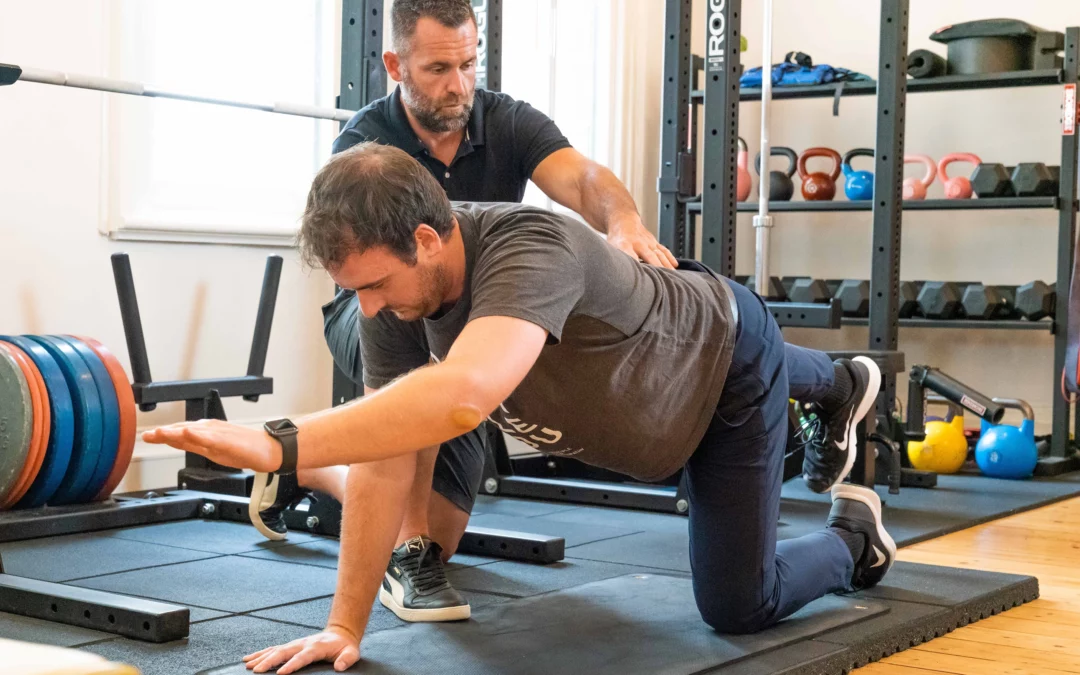
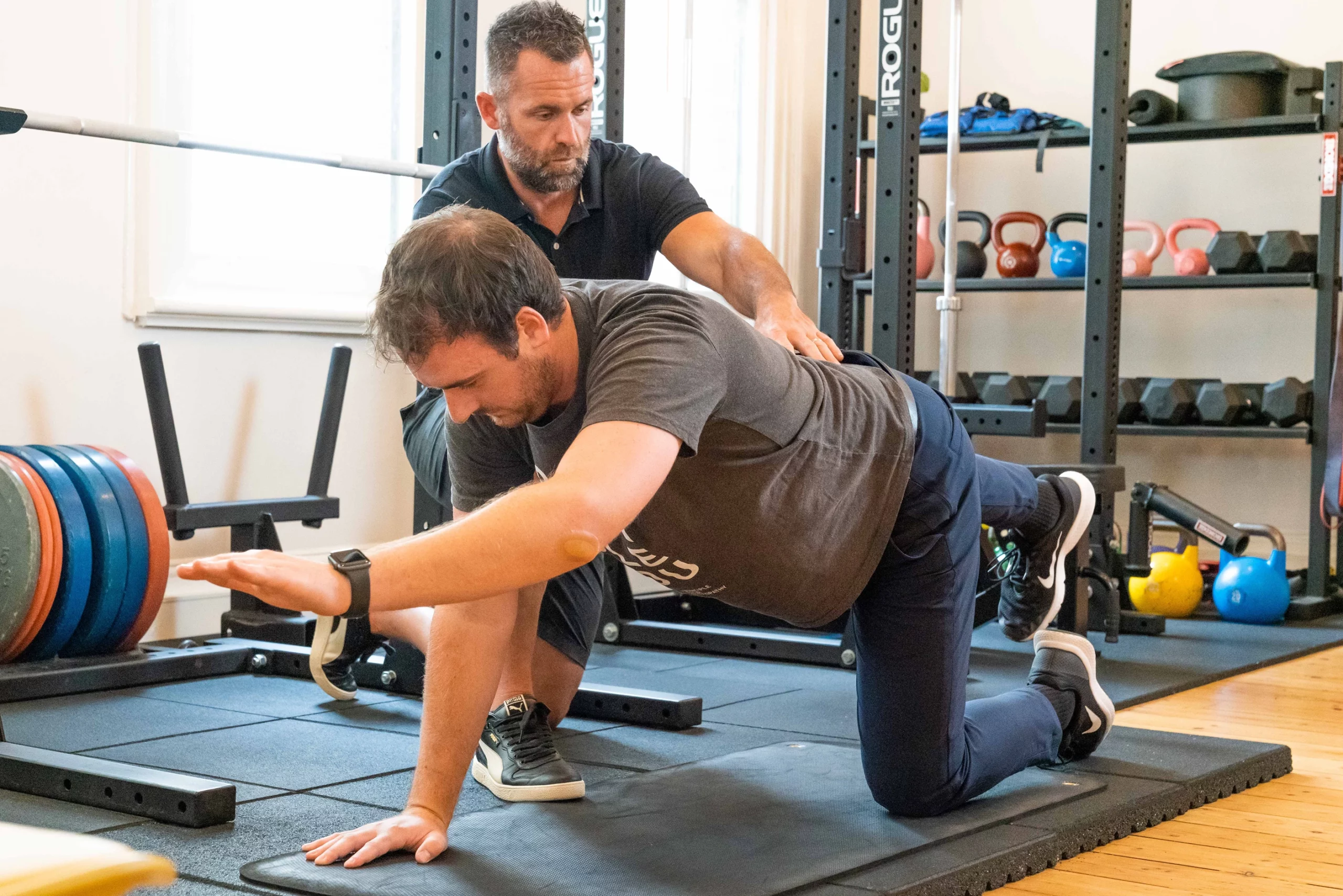
You’ll then be guided through a series of fundamental movement patterns. These assessments allow your practitioner to observe:
-
Joint mobility and range of motion
-
Core and limb stability
-
Balance and coordination
-
Symmetry between left and right sides
-
Movement efficiency under control
These patterns highlight areas where the body may be compensating or working harder than it should.
3. Functional Movement Screen Tasks
The FMS itself involves specific tasks designed to reveal:
-
Where movement restrictions exist
-
Whether stability is limiting performance
-
How well different body regions work together
These screens are not about pushing limits or testing fitness — they’re about movement quality, control and coordination.
4. Explanation of Findings
Once the assessment is complete, your osteopath will clearly explain:
-
What was identified during the screen
-
How these findings relate to your pain, injuries or training goals
-
Which movement patterns are priorities to address
This education component is a key part of the consult — you’ll understand why certain exercises or changes are recommended.
5. Personalised Movement Plan
You’ll leave your appointment with a tailored plan that may include:
-
Corrective or mobility exercises
-
Stability and control drills
-
Technique cues for training or daily movement
-
Guidance on what to modify or avoid temporarily
This plan is designed to help you move more efficiently, reduce strain on vulnerable areas, and build a strong foundation for exercise or sport.
👉 Exercise & Rehabilitation at Principle Four Osteopathy
Who Is a Functional Movement Screen Best Suited For?
A Functional Movement Screen is particularly helpful if you:
-
Are starting a new gym or training program
-
Experience pain during or after exercise
-
Have recurring injuries or niggles
-
Are returning to sport after time off
-
Feel stiff, restricted or uneven when moving
-
Want to improve performance while reducing injury risk
It’s also commonly used by people who feel “fine” but want a proactive assessment before increasing training load.
Do I Need Treatment During an FMS Appointment?
Not necessarily. A Functional Movement Screen is focused on assessment, education and planning.
If treatment is indicated, your osteopath may discuss follow-up options such as:
-
Osteopathy treatment sessions
-
Exercise-based rehabilitation
-
Ergonomic or workload advice
👉 Osteopathy Services Melbourne CBD
Frequently Asked Questions (FAQs)
How long does a Functional Movement Screen appointment take?
Most Functional Movement Screen consults run for approximately 45–60 minutes, allowing time for assessment, explanation and exercise planning.
Will the assessment hurt?
No. The movements are controlled and within comfortable limits. The screen is designed to observe how you move — not to provoke pain.
Do I need to be fit or athletic to have an FMS?
Not at all. The assessment is suitable for people of all activity levels, from desk-based workers to athletes.
Can a Functional Movement Screen help with injury prevention?
Yes. Identifying movement limitations early allows targeted strategies to be put in place before overload or injury occurs.
Can this be combined with osteopathy treatment?
Yes. Many people use a Functional Movement Screen alongside osteopathy care to guide treatment priorities and long-term outcomes.
Will I get exercises to take home?
Yes. You’ll receive clear, practical exercise recommendations tailored to your assessment findings and goals.
Summary
Your first Functional Movement Screen consult at Principle Four Osteopathy is a detailed movement assessment designed to help you understand how your body moves and where improvements can be made.
Rather than guessing or pushing through discomfort, the FMS provides clear direction, targeted strategies and a strong foundation for pain-free movement, training and performance.
Ready to Book?
If you’re ready to book your Functional Movement Screen or would like help deciding if it’s right for you: