One of the most important skills in clinical practice isn’t a technique — it’s the ability to listen.
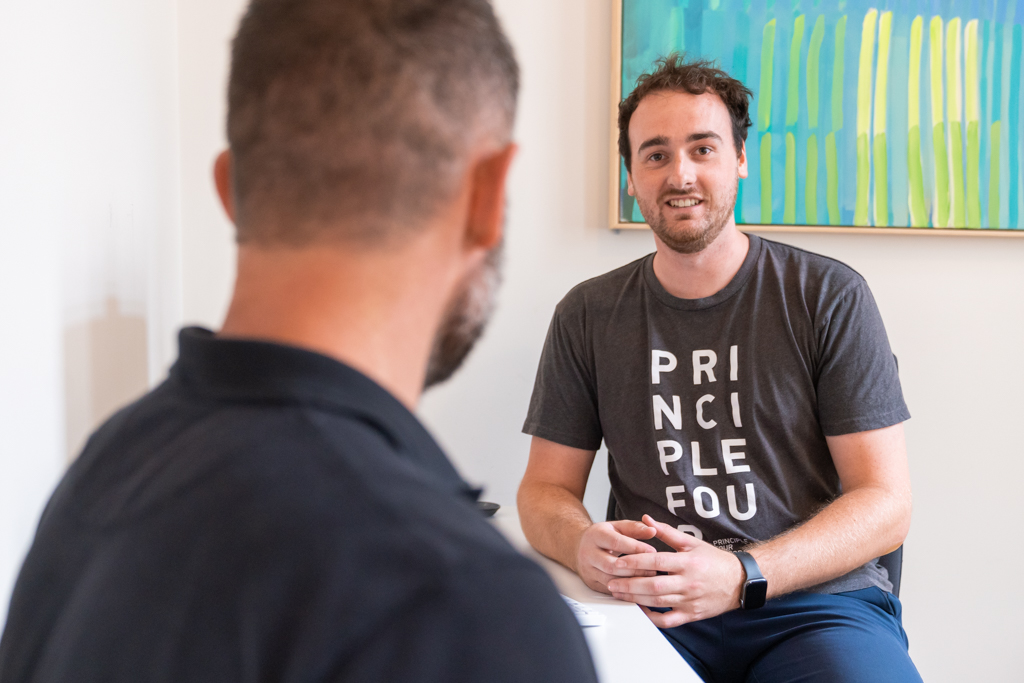
Working as an osteopath at Principle Four Osteopathy, I’m constantly reminded that building strong rapport and therapeutic alliance with patients is one of the most important parts of helping people improve their health.
While many patients initially come to see us for pain relief, the conversation often evolves into something much bigger.
More and more people are thinking about their long-term health and wellbeing. They want to ensure that as they move into their 50s, 60s and beyond, they can continue to live active, meaningful lives.
For clinicians, this means shifting the focus away from simply telling patients what to do.
Instead, it involves:
• Listening more than talking
• Understanding the patient’s goals, beliefs and motivations
• Using motivational interviewing strategies to help guide behaviour change
• Collaborating with patients to develop a realistic and meaningful plan
When patients feel heard, understood and involved in the process, the outcomes are often much more powerful.
Clinical practice then becomes less about “fixing a problem” and more about supporting people to build the habits, strength and resilience needed for long-term health.
It’s a privilege to work with patients who are thinking about their health not just for the next week or month — but for the next few decades.
#osteopathy #clinicalpractice #patientcare #motivationalinterviewing #healthprofessionals #longevity