Back Pain Explained: Causes, Recovery Stages & What Actually Helps
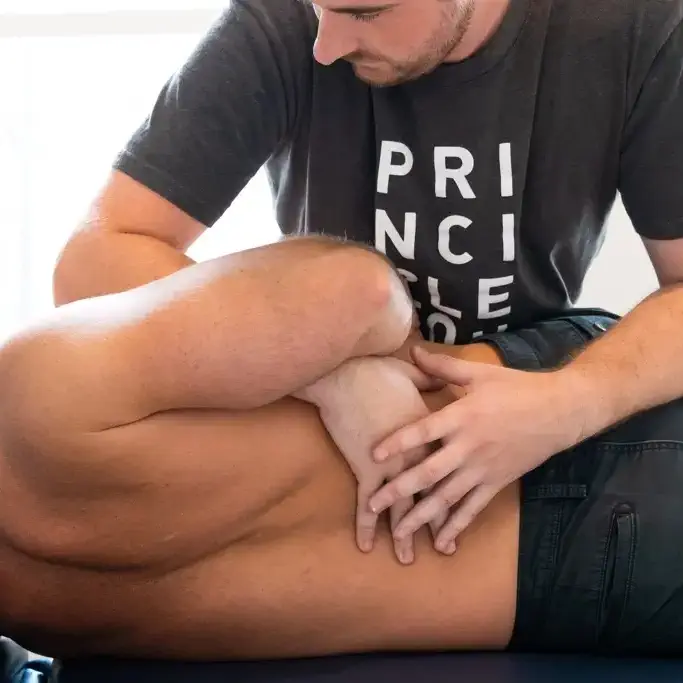
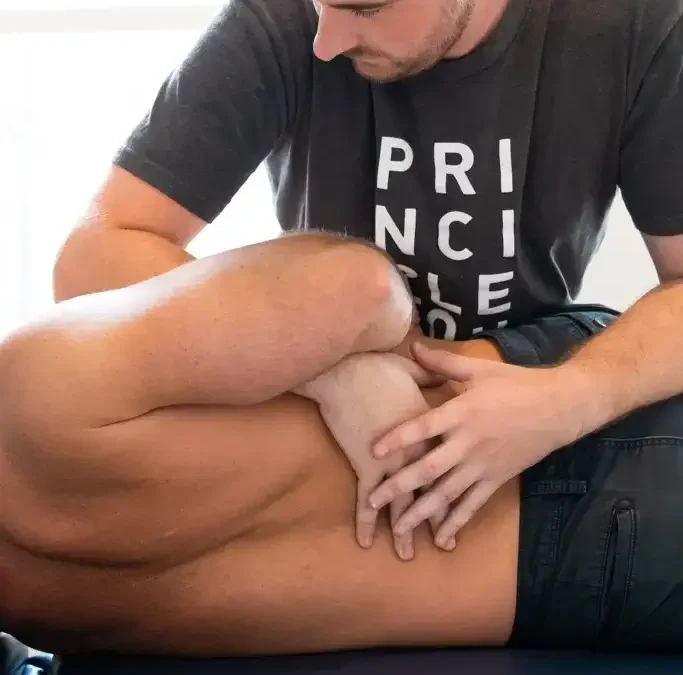
Back pain is one of the most common reasons people visit an osteopath in Melbourne CBD.
For many people, the biggest issue isn’t just the pain — it’s uncertainty:
- Is something damaged?
- Should I rest or keep moving?
- Do I need a scan?
- Why does it keep coming back?
Current clinical guidelines consistently show that most back pain is non-serious and recoverable, especially when people stay active and receive clear guidance.
This article explains back pain, how recovery normally progresses, and what you can safely do to help yourself.
First — The Important Reassurance
Research consistently shows:
- Most back pain is not caused by serious injury
- Many scan findings exist in people without pain
- The spine is strong and adaptable
- Movement supports recovery
Pain often reflects sensitivity or overload — not damage.
👉 Learn more about the conditions we treat here
Common Contributors to Back Pain
Back pain usually develops from multiple interacting factors rather than one specific structure.
Sudden Load Changes
Examples:
- Heavy lifting after inactivity
- Returning to the gym too quickly
- Long travel or busy days
Prolonged Positions
Not because posture is “bad”, but because tissues dislike staying still:
- Desk work
- Driving
- Studying
- Long sitting periods
If your pain relates to sitting or work setup:
👉 Ergonomic Assessment Melbourne CBD
Reduced Movement Confidence
Guarding movement increases stiffness and prolongs symptoms.
Stress, Sleep & Fatigue
Back pain is influenced by the nervous system and often flares during busy or stressful periods.
Disc Bulges & Scans — What They Mean
Disc bulges are common MRI findings.
Key facts:
- Often present in people without pain
- Usually improve naturally
- Rarely require surgery
- Movement helps recovery
Imaging is helpful only when serious pathology is suspected.
Recovery Stages: What Helps at Each Phase
Understanding recovery helps reduce fear and speeds improvement.
Early Stage (0–2 weeks): Calm Things Down
Goals
- Reduce irritation
- Maintain gentle movement
Helpful strategies
- Gentle walking
- Heat for comfort
- Avoid prolonged bed rest
- Change positions regularly
Our management
- Education and reassurance
- Gentle hands-on care where appropriate
👉 Osteopathy Services / Book Appointment
Mid Stage (2–6 weeks): Restore Movement
Goals
- Improve mobility
- Build confidence
Helpful strategies
- Gradual bending
- Light strengthening
- Return to daily tasks
Our management
- Movement assessment
- Progressive rehabilitation
👉 Exercise Rehabilitation / Strength & Conditioning
👉 Functional Movement Screen Melbourne CBD
Later Stage (6+ weeks): Build Resilience
Goals
- Prevent recurrence
- Increase load tolerance
Helpful strategies
- Strength training
- Gradual return to sport or gym
- Activity planning
Our management
- Individualised progression plan
- Long-term prevention strategies
👉 Strength & Conditioning Service
Simple Self-Help Movements
These are general starting points:
Gentle mobility
Pelvic tilts or knee rolls — 5–10 reps
Walking
Short frequent walks
Gradual bending exposure
Pick up light objects
Strength (later stage)
Sit-to-stands or bridging
You can also use our guided exercises here:
👉 Free Exercise Videos & Stretches
Why Back Pain Keeps Returning
Recurrence often occurs when:
- Capacity wasn’t rebuilt
- Movement confidence didn’t return
- Work or training loads didn’t change
Long-term improvement requires building tolerance, not just relieving symptoms.
When We Refer
If needed, we may refer to:
- GP (medical screening or imaging)
- Sports physician
- Psychologist (persistent pain support)
- Surgeon (rare cases)
We coordinate care to ensure you receive appropriate management.
When to Book an Assessment
Consider booking if:
- Pain lasts longer than 1–2 weeks
- It keeps returning
- Work or training is limited
- You’re unsure what’s safe
👉 Book Online – Principle Four Osteopathy
Final Takeaway
Back pain is common and usually recoverable.
Understanding it — and responding appropriately — is often the turning point.
Looking for help?
If you’re searching for an osteopath in Melbourne CBD for back pain or recurring flare-ups, our team provides clear assessment and practical management.