
Running-Related Injuries: Common Types, Causes and How We Help Runners Recover
Running is one of the most effective and accessible ways to improve cardiovascular health, strength and mental wellbeing. However, it is also associated with a relatively high rate of musculoskeletal injuries — particularly when training load, recovery and physical capacity are not well balanced.
At Principle Four Osteopathy, we regularly help runners ranging from beginners to experienced athletes manage pain, return to training and reduce the risk of recurring injury.
This article explains why running injuries occur, the most common types of running-related injuries, and how we support runners at the clinic.
Why Do Running Injuries Occur?
Running injuries rarely come down to a single issue such as “poor technique” or “bad shoes.” Current evidence shows that injuries are usually the result of a mismatch between training load and tissue capacity.
Common contributing factors include:
-
Rapid increases in running distance, intensity or hills
-
Insufficient strength or tendon load tolerance
-
Previous injury history
-
Reduced recovery (sleep, stress, life workload)
-
Limited movement variability outside running
Importantly, running itself is not harmful — problems usually arise when tissues are asked to do more than they are prepared for.
The Most Common Types of Running-Related Injuries
Achilles Tendinopathy
Pain, stiffness or thickening in the Achilles tendon is common in runners, particularly with increases in speed work, hills or mileage.
Symptoms often include:
-
Morning stiffness
-
Pain at the start or end of runs
-
Reduced tolerance to loading
Achilles issues usually respond well to progressive loading programs, rather than rest alone.
Plantar Heel Pain (Plantar Fasciitis)
This typically presents as pain under the heel or along the arch, often worse with first steps in the morning or after runs.
Contributing factors may include:
-
Sudden load increases
-
Reduced calf or foot strength
-
Prolonged standing or walking at work
Knee Pain (Runner’s Knee / Patellofemoral Pain)
Anterior or diffuse knee pain is one of the most common running complaints.
It is often influenced by:
-
Training volume changes
-
Reduced hip or quadriceps strength
-
Load tolerance issues rather than structural damage
Shin Pain (Medial Tibial Stress Syndrome)
Commonly referred to as “shin splints,” this pain usually develops along the inside of the shin and can worsen with continued running.
It is often linked to:
-
Rapid mileage increases
-
Reduced bone or tissue load tolerance
-
Inadequate recovery
Calf Strains and Tightness
Calf pain or recurrent strains are common, particularly in runners who increase speed work or transition to different footwear.
Calf injuries often reflect:
-
High repetitive load
-
Insufficient strength or endurance
-
Previous injury history
Hip and Gluteal Pain
Pain around the hip, buttock or outer thigh can develop due to load transfer issues, fatigue or reduced strength capacity.
These injuries are often multifactorial and respond well to strength and movement-based rehabilitation.
Lower Back Pain
While less commonly discussed, lower back pain can occur in runners, particularly when fatigue, workload or movement capacity are limiting factors.
👉 Internal link: Conditions We Treat
(/conditions)
Should You Stop Running If You’re Injured?
Not always.
Many running-related injuries can be managed by:
-
Modifying training load
-
Adjusting intensity or frequency
-
Implementing targeted rehabilitation
Complete rest is rarely the most effective long-term solution. A structured assessment helps determine what level of running is safe and how to progress without flare-ups.
How We Help Runners at Principle Four Osteopathy
We take a runner-specific, evidence-informed approach, focusing on both symptoms and contributing factors.
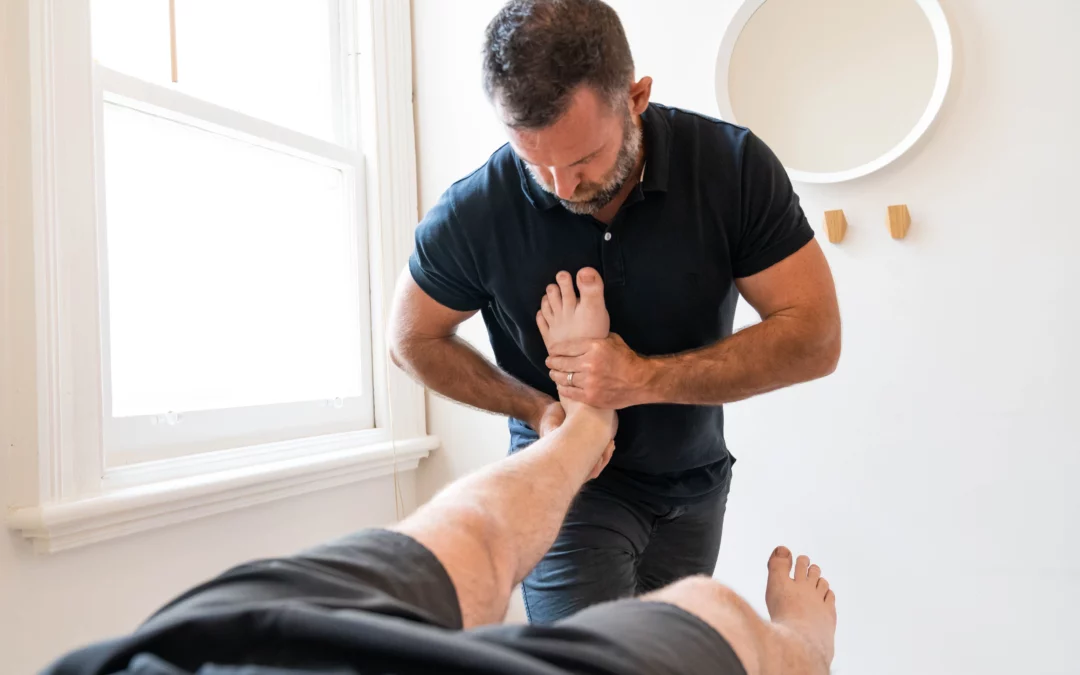
Osteopathy for Running Injuries
Osteopathy may assist by:
-
Improving joint and soft tissue mobility
-
Reducing protective muscle tension
-
Addressing compensatory pain patterns
-
Supporting comfortable movement during rehab
Treatment is always paired with active strategies rather than used in isolation.
👉Osteopathy Services Melbourne CBD
Exercise Rehabilitation for Runners
Exercise rehabilitation is central to recovery from most running injuries.
Programs commonly focus on:
-
Progressive tendon and muscle loading
-
Improving strength and endurance
-
Restoring confidence with impact and load
-
Gradual return-to-running progressions
Strength & Conditioning
Strength training improves running resilience, not just performance.
Benefits include:
-
Improved tissue load tolerance
-
Reduced injury recurrence
-
Better fatigue resistance late in runs
Programs are designed to complement running, not replace it.
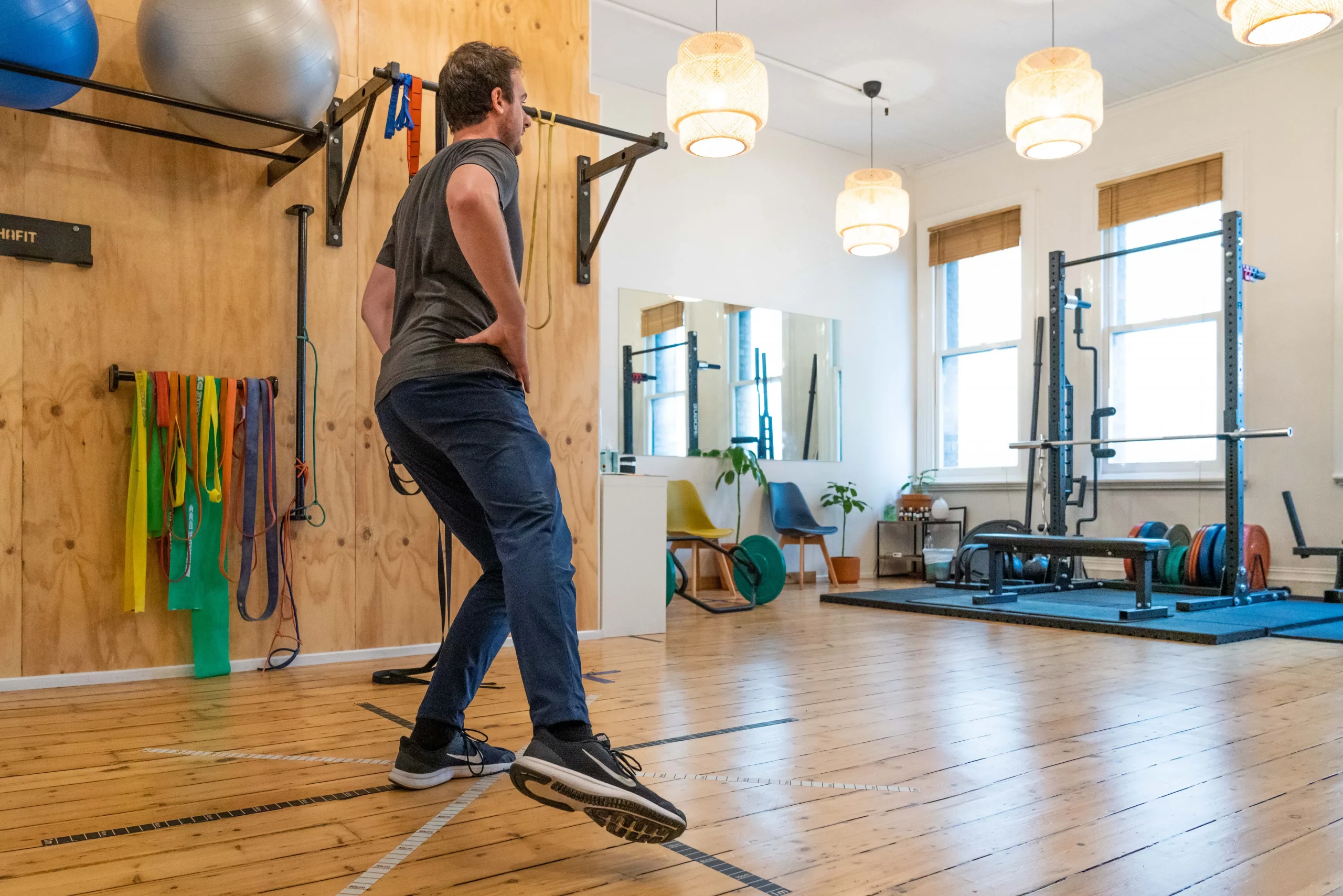
Functional Movement Screening
For runners with recurring or unclear injuries, a Functional Movement Screen can help identify:
-
Asymmetries or restrictions
-
Control deficits
-
Movement patterns contributing to overload
Load Management & Education
Education is a key part of successful recovery. We help runners understand:
-
How to modify training safely
-
What pain signals mean (and don’t mean)
-
How to progress without setbacks
-
How work, stress and recovery affect injury risk
The Role of Work and Lifestyle in Running Injuries
Desk-based work, prolonged sitting and limited daily movement can influence running injuries by reducing strength, mobility and recovery capacity.
Addressing work posture and daily movement habits can significantly support running recovery.
👉 Ergonomic Workstation Assessments
When Should Runners Seek Professional Help?
You should consider assessment if:
-
Pain persists beyond 1–2 weeks
-
Symptoms worsen with continued running
-
Pain alters your running pattern
-
You experience repeated flare-ups
-
You’re training for an event and symptoms are limiting progress
Early intervention often leads to faster and more sustainable outcomes.
Summary
Running-related injuries are common — but they are rarely a reason to stop running altogether.
By addressing training load, tissue capacity, movement control and recovery, most runners can return to pain-free running and reduce the risk of future injury.
At Principle Four Osteopathy, we work with runners to provide clear answers, structured rehabilitation and practical strategies to keep you running with confidence.
Need Help With a Running Injury?
If you’re dealing with a running-related injury or recurring pain: