Jaw and TMJ Pain: Causes, Symptoms and How Osteopathy Can Help
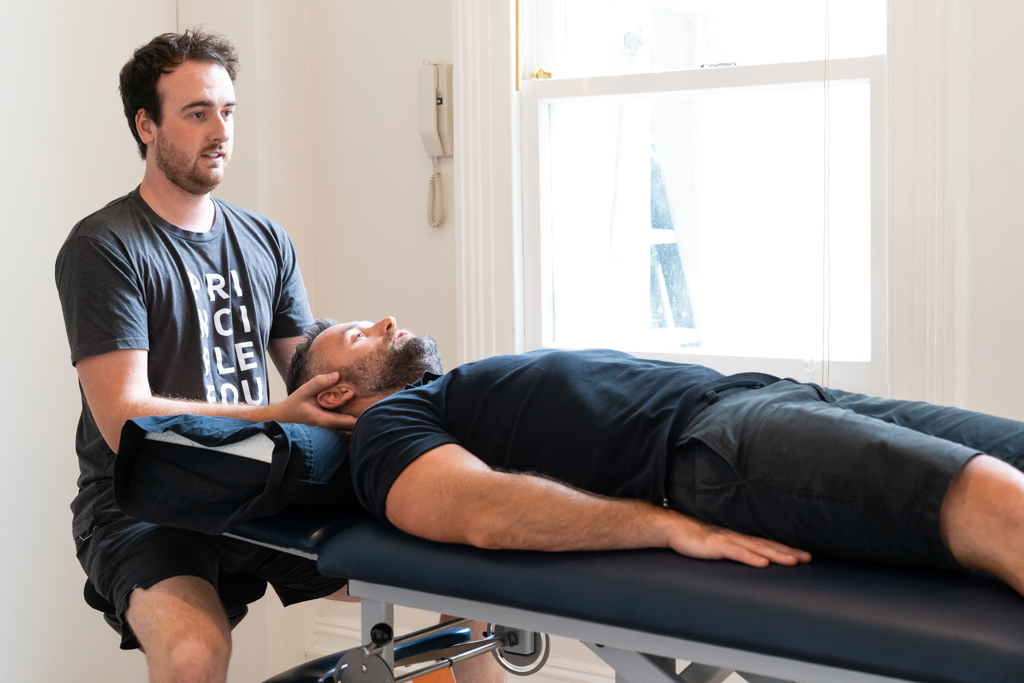
Jaw pain, clicking, headaches and facial tension are more common than many people realise. For some, symptoms are mild and intermittent. For others, jaw or TMJ pain can interfere with eating, speaking, sleep and concentration.
Jaw-related pain is often misunderstood and can be frustrating when symptoms persist despite dental checks or imaging that appears “normal”.
In this article, we explain what jaw and TMJ pain is, why it develops, and how we help manage it at Principle Four Osteopathy.
What Is TMJ Pain?
TMJ refers to the temporomandibular joint — the joint that connects your jaw (mandible) to your skull. You have one TMJ on each side of your face, and they work together during chewing, talking, yawning and swallowing.
TMJ-related pain can involve:
-
The jaw joint itself
-
Muscles of the jaw and face
-
Surrounding structures such as the neck, head and upper shoulders
Importantly, jaw pain is rarely isolated to one structure — it is usually influenced by muscle tension, joint loading, movement habits and nervous system sensitivity.
Common Symptoms of Jaw and TMJ-Related Pain
People with TMJ-related issues may experience:
-
Jaw pain or tightness
-
Clicking, popping or grinding in the jaw
-
Difficulty or discomfort opening the mouth fully
-
Facial pain or tension
-
Headaches (often temples or behind the eyes)
-
Neck and upper shoulder pain
-
Ear discomfort or pressure (without ear infection)
Symptoms may fluctuate depending on stress, workload, sleep quality or chewing habits.
Why Does Jaw and TMJ Pain Occur?
Jaw pain is rarely caused by a single factor. Evidence suggests TMJ symptoms are influenced by a combination of mechanical, muscular and neurological factors.
Common contributors include:
1. Muscle Overactivity and Tension
Clenching, grinding (bruxism), prolonged jaw holding and stress can overload the jaw muscles, leading to fatigue and pain.
2. Joint Loading and Irritation
Sustained or repeated loading of the jaw joint — particularly in sensitive or irritated joints — can contribute to discomfort and clicking.
3. Neck and Postural Influences
Jaw function is closely linked with the neck and upper spine. Reduced movement or increased tension in the neck can influence jaw mechanics and pain sensitivity.
4. Stress and Nervous System Sensitivity
Stress and anxiety can increase muscle tone and pain sensitivity, often amplifying jaw symptoms even without structural damage.
5. Reduced Movement Variety
Avoiding movement due to fear or discomfort can sometimes maintain stiffness and sensitivity over time.
Is Jaw Clicking a Problem?
Jaw clicking or popping is very common and not always painful or harmful.
Clicking may reflect changes in how the joint moves, but in the absence of pain, locking or functional limitation, it often does not require treatment.
When clicking is associated with pain, restriction or progressive symptoms, assessment is recommended.
How We Help at Principle Four Osteopathy
At Principle Four Osteopathy, we take a whole-system approach to jaw and TMJ-related pain — not just focusing on the jaw in isolation.
Osteopathy for Jaw and TMJ Pain
Osteopathy can help by:
-
Improving jaw joint and facial muscle mobility
-
Reducing muscle tension in the jaw, face and neck
-
Addressing contributing neck or upper spine restrictions
-
Supporting comfortable, confident movement
Treatment is always guided by a thorough assessment and tailored to your symptoms and tolerance.
👉 Osteopathy Services Melbourne CBD
Neck, Upper Back and Postural Assessment
Because jaw function is closely linked to the neck and upper spine, assessment often includes:
-
Cervical spine mobility
-
Upper back movement
-
Head and neck posture
-
Muscle tension patterns
Addressing these areas can significantly reduce jaw loading and symptom recurrence.
Exercise Rehabilitation and Jaw Control Exercises
Exercise rehabilitation may be used to:
-
Improve jaw movement control
-
Restore normal opening and closing patterns
-
Reduce guarding and muscle overactivity
-
Improve neck and postural support
Exercises are gentle, specific and progressed gradually.
Stress, Habit and Load Education
Education is a key part of TMJ management. This may include:
-
Awareness of clenching or jaw holding habits
-
Strategies to reduce unnecessary jaw tension
-
Guidance around chewing, yawning and speaking loads
-
Advice on pacing and flare-up management
Understanding what is safe to do often reduces fear and symptom persistence.
When Dental or Medical Referral Is Needed
If symptoms suggest dental, neurological or inflammatory causes, we will recommend appropriate referral. Osteopathy works best as part of a collaborative approach when required.
What About Splints or Mouth Guards?
Mouth guards or splints are sometimes used for night-time grinding or clenching. While they can be helpful for some people, they are not always required and are usually most effective when combined with movement-based care and education.
When Should You Seek Help for Jaw Pain?
You should consider assessment if:
-
Jaw pain is persistent or worsening
-
Symptoms interfere with eating or speaking
-
Headaches or neck pain accompany jaw symptoms
-
Jaw movement feels restricted or painful
-
Pain fluctuates with stress or workload
-
Symptoms keep returning
Early management often leads to better outcomes.
Summary
Jaw and TMJ-related pain is common, complex and often multifactorial — but it is very manageable with the right approach.
At Principle Four Osteopathy, we focus on understanding the full picture, addressing contributing factors, and helping you move and function comfortably again — without fear or unnecessary restrictions.
Need Help With Jaw or TMJ Pain?
If you’re experiencing jaw pain, facial tension or TMJ-related symptoms and would like a structured, evidence-based approach: